
All About
The Community pathway is all about supporting students to live, learn, and participate in the community around them. Learn about what it means to transition to the community, and how to get prepared.

The Community pathway is all about supporting students to live, learn, and participate in the community around them. Learn about what it means to transition to the community, and how to get prepared.

The community pathway offers a meaningful and adaptable route for students with intellectual, developmental, psychological, and/or physical disabilities—including those with more complex needs—to live with support, participate actively in their communities, and pursue personal goals in areas such as work, recreation, and lifelong learning.
This pathway recognizes each student's unique strengths and challenges, and emphasizes inclusion, independence, and personal fulfilment. With the right supports in place, students can thrive in environments that respect their dignity and promote their growth.
Note: The community pathway primarily supports students with intellectual and developmental disabilities in navigating life after secondary school, and that will be the main focus of these sections. However, this information may also be useful for individuals with other disabilities who face barriers to independent living and employment.
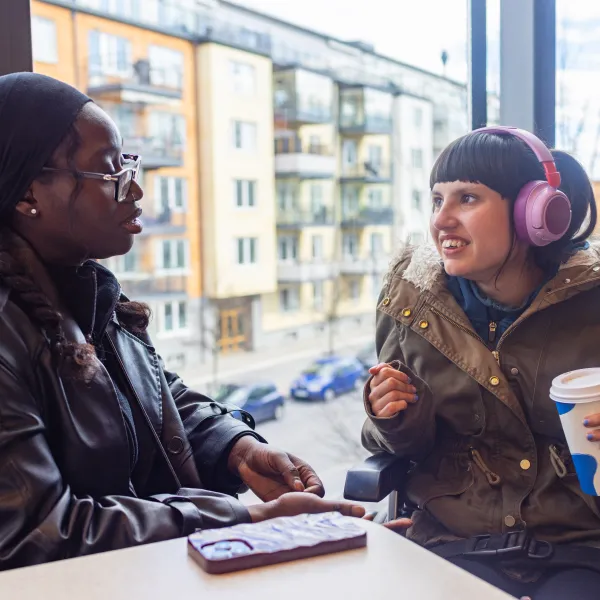

Living at home, in a supported living environment, or independently
Engaging in opportunities as an active community member, including participating in socialization, recreation, volunteering, sports, and arts programs
Participating in meaningful employment opportunities, such as part-time work or supported employment
Taking part in educational and community-based life-long learning programs
Building essential independence skills in all areas of living including cooking, budgeting, and navigating one's community
Engaging in cultural or spiritual programs and activities
In Ontario, adults with disabilities have the same rights as everyone else. They can make their own choices, agree to or refuse care, and keep their personal information private. The law says adults can make their own decisions unless it is clearly shown that they cannot for a specific reason. Click on the buttons below to learn more.
Fair Treatment: Adults with developmental disabilities must be treated fairly. They cannot be discriminated against when looking for a job, a place to live, or when using services.
Accessibility: Ontario has laws that help make places, services, and information easier for people with disabilities to use.
Full Participation: People have the right to live in their communities, take part in activities, and get the help they need for daily living.
Safety: If someone is being hurt, neglected, or taken advantage of, they can call services like ReportON or the police for help.
Keeping Information Safe: Personal and health information is protected by law.
Control Over Information: People have the right to know what information is collected about them, why it is collected, and who sees it. They must give permission before their information is shared.
Looking at Records: People can see their own files and ask for corrections if something is wrong.
Privacy During Care: Everyone has the right to privacy when getting medical treatment or personal care.
Take Part in Decisions: People should participate in discussions about their accommodation and care plans to the best of their ability.
Share Their Needs: They should tell or otherwise communicate to others what supports or accommodations they need.
Work with Helpers: People should co-operate with workers or evaluators who need information to give proper support.
Respect Others: Everyone should respect the rights and dignity of the people around them.
Community doesn’t mean isolation—it means being part of the world in a way that works for you. The community pathway offers a flexible and supportive option that encourages connection, contribution, independence, and personal growth.
Many of the students in this pathway, particularly those with intellectual disabilities, can remain in secondary school until June of the year that you turn 21, giving you more time to build skills and explore opportunities. However, without thoughtful planning, the transition after graduation can feel uncertain—especially when it comes to finding meaningful social experiences and community engagement.
That’s why early exploration and person-centred planning are so important. By learning about available programs and working with your support team—school staff, community service providers, and caregivers—you can help create a smooth transition and lay the foundation for a vibrant and purposeful adult life. You can also connect with an Independent Facilitator through a local agency, or through Ontario Independent Facilitation Network (OIFN), to help discover and plan for the ways you want to connect with and contribute to your community.
Making a holistic plan that includes all aspects of your life ensures that your physical, mental, psychological, and social needs will be addressed throughout the transition and beyond. We will discuss each of these areas in more detail in the next section, with information on relevant community programs available.
With the right planning and support, students pursuing the community pathway can successfully transition to adulthood with purpose, dignity, and joy. Sometimes, the best way to understand this pathway is by hearing from people who live it every day.
To learn more about this pathway, you can:
Talk to adults with disabilities about their experiences.
Connect with the Developmental Services Ontario office in your area to discuss available services and resources.
Contact March of Dimes or other employment support agencies to discuss employment supports available in your community.
Contact a Developmental Services and/or Community Living agency near you and ask about tours, info sessions, or youth programs.
Ask questions at open houses or community fairs.
Attend transition fairs or community events hosted by schools, colleges, or service providers.
This pathway is flexible and individualized—but it takes planning. Transition planning is not a single conversation but a process that will evolve over time. Knowing what services and supports are available, what supports you need, and how to access your required supports are all key to a successful transition from school to community. With this in mind, the next section provides information on community-based services and resources available to support the transition to adulthood for those in the community pathway.