
Seneca Polytechnic
Learn about services for students at Seneca Polytechnic, including their accessibility services, peer and academic support programs, financial aid, campus accessibility, and more.
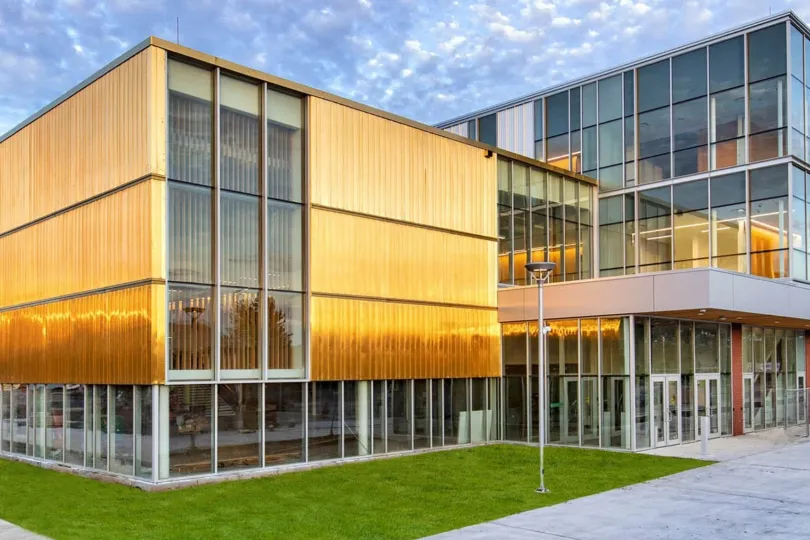
Learn about services for students at Seneca Polytechnic, including their accessibility services, peer and academic support programs, financial aid, campus accessibility, and more.
At Seneca Polytechnic, the office providing accessibility services to students is called Accessible Learning Services. Counselling and Accessibility Services is the primary place to find out about all of your disability related needs.
In order to access accommodations at Seneca Polytechnic, please visit the linked webpage to learn what documentation is required to show proof of a disability.
Seneca Polytechnic offers transition programming for students with disabilities through a two-day summer workshop called Ready… Set… Success! (R.S.S.), a second program called Access, Learn, Succeed (A.L.S.), and Equipping Yourself for Educational Success at Seneca (E.Y.E.S.).
The Seneca Medical Centre located at the Newnham Campus provides a range of services to students by their health care team, which includes registered nurses and medical doctors.
Seneca Polytechnic offers Counselling Services through Counselling and Accessibility Services for any student who is seeking support and guidance in navigating emotions, mental health challenges, well-being, and/or stressful life events.
Seneca Polytechnic has Learning Centres located on its 3 main campuses, where students can receive tutoring, attend workshops and receive supplemental instruction in English, mathematics, and program specific subjects.
Seneca's Peer Mentoring Program at Seneca Polytechnic is designed for first year students who would like to receive mentorship from upper year students.
The libraries at Seneca Polytechnic offer various resources for students including databases, journals, e-books, and e-videos. The libraries also provide services for students such as group study spaces, subject guides, and citing sources.
Each Seneca student is assigned an adviser who can assist them in educational planning, graduation requirements, academic regulations, and any program-related questions.
Seneca Polytechnic's Residence Office offers suite style accommodations for students in residence. Residence is guaranteed to all incoming students if they apply before the deadline. Each apartment unit includes 2 private bedrooms, a shared washroom, and a shared kitchenette. Building amenities include:
All suites are furnished and include internet access, local telephone service, and cable television access. Residence rates vary per year and payment plans are available. Students have the option of purchasing a meal plan if they desire.
Barrier-free rooms are available for students requiring special accommodations. Students are required to provide details on the Medical, Accessibility and Special Consideration section of the residence application, along with proper documentation.
Seneca Polytechnic offers an accommodation listing service of Off Campus Housing, where landlords can advertise rental properties available.
Seneca Polytechnic's Financial Aid and Awards office offers a range of financial assistance which consists of merit-based scholarships, need-based bursaries, and awards based on academic achievement. Information regarding Seneca Polytechnic's financial aid is available on their website, as well as complete lists of scholarships, bursaries, awards, and contact information.
Seneca Polytechnic offers the Work Study Plan for students, which is a need-based program for students to secure on-campus employment.
Click on the buttons below to learn more.
Seneca offers maps and locations for each campus.
The Toronto Transit Commission (TTC) is comprised of subways, buses, and streetcars. A discounted Post-Secondary Student Monthly Metro Pass is available for purchase for full-time students at Centennial College. Schedules and maps are provided for each of the TTC transit options.
The TTC offers accessible services on both their buses and subways. Accessible services on buses include kneeling features, ramps, lifts, automated next stop announcements, wheel chair and scooter positions, and priority seating. The subways provide accessible services such as wheel chair positions and priority seating. There are elevators at 67 out of the 70 TTC subway stations, while the remaining are waiting to be upgraded.
The TTC offers the Support Person Assistance Card which allows users of the transit system who require a support person to have this person travel with them at no additional cost. Persons interested in the support program must fill out the application form.
Wheel-Trans is a service that provides door-to-door accessible transit service for persons with physical disabilities. The TTC has established eligibility guidelines for the use of Wheel-Trans. Persons seeking to use Wheel-Trans must participate in an in-person interview.