
Queen's University
Learn about services for students at Queen's University, including their accessibility services, peer and academic support programs, financial aid, campus accessibility, and more.
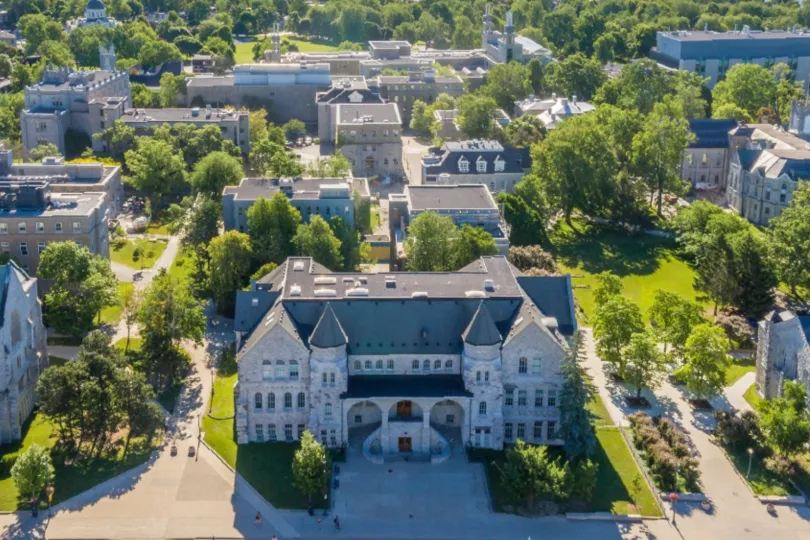
Learn about services for students at Queen's University, including their accessibility services, peer and academic support programs, financial aid, campus accessibility, and more.
At Queen’s University, the centre providing accessibility services to students is called Queens's Student Accessibility Service (QSAS). QSAS is the primary place to find out about all of your disability related needs.
In order to access accommodations at Queen's University, please visit the linked webpage to learn what documentation is required to show proof of a disability.
The Accessibility Hub at Queen's University is an online resource for accessibility at Queen's University.
The Regional Assessment and Resources Centre (RARC) on Queen’s University campus provides accurate, comprehensive, and effective assessment and follow-up services to students at Queen's University and other local institutions with Learning Disabilities and ADHD.
Queen's University Student Medical Services provides student-centered health care through their teams of family physicians and registered nurses.
Queen’s University offers Mental Health Services for any student who is seeking support and guidance in navigating emotions, mental health challenges, well-being, and/or stressful life events.
Queen's University offers First-Year Foundation to all incoming first-year students, to start their university experience early and provide an opportunity to learn about academic expectations, resources, learning strategies, and common student transition issues.
Q Success at Queen's University offers peer mentoring to first-year students from knowledgeable upper year mentors, for support with transition to university, balancing academic and social demands, and connecting with campus resources.
Student Academic Success Services at Queen's University's offers a variety of programs to help students achieve academic success, such as individual learning strategies appointments, online resources and workshops. The Writing Centre offers writing support to students in various programs.
Each faculty and school at Queen’s University offers academic advising support for students to assist with program planning and meeting academic requirements.
Queen’s University offers different libraries for various faculties. Each library offers various resources for students including databases, journals, e-books, and e-videos. The libraries at Queen’s University also provide services for students such as group study rooms, borrowing services, course reserves, and the Queen’s Learning Commons which provides students with assistance in writing, learning and study skills, and library research. Stauffer Library offers Library Services for Students with Disabilities which provides services such as an Adaptive Technology Lab, research assistance, and alternative format services.
Queen's University’s Financial Aid and Awards offers a comprehensive range of financial aid programs to assist students in financing their Queen’s Education. Information regarding Queen’s University's financial aid is available on their website, as well as complete lists of scholarships, bursaries, awards, and contact information.
Through Queen’s Financial Aid and Awards Profile, students will be considered for Admission Bursaries, Major Access Awards, Donor-funded Awards and bursaries, the Promise Scholars Program, and the Commitment Bursary.
Queen’s University offers many scholarships, bursaries, and awards for certain groups of students. A list of bursaries that cater to students with disabilities is provided below.
Queen’s University Residences provide a wide range of living environments in 18 buildings across campus, offering you a mix of all-gender and single-gender arrangements in a variety of room types, including single, single plus and double. Along with providing invaluable opportunities to meet and make friends with students from diverse backgrounds, experiences and perspectives, living in residence offers you a supportive environment to develop new personal and social interests and to receive support for academic goals, health and wellbeing. Virtual tours of all residence buildings are available.
Students who require special accommodation can submit a Residence Accommodation Request. The Residence Accommodations Intake Guide is a resource for students, their families, and supporters seeking information on accommodations in residence. For further information please visit the Residence Accessibility and Accommodations website or contact residencesupport@queensu.ca.
All first year students who receive an offer of admission to Queen’s on or before April 15 are guaranteed a space in residenceroom in residence if they submitcomplete the residence application and deposit by the given deadline.
All rooms include the following items for each student:
Each building varies in size, layout and room furnishings. Design elements such as flooring type, window sizes and window coverings and storage solutions change from room to room.
When living in Residence at Queen’s, your Residence fees include a mandatory Residence Meal Plan which provides the flexibility and convenience to enjoy 3 All-You-Care-To-Eat dining halls and multiple retail food locations serving a variety of globally inspired food across campus!
More about the residence meal plan
At Queen’s University, we take allergies and dietary needs seriously. If you have a food-related medical condition, allergy, intolerance, or dietary need related to religious or cultural observance, our staff will help you make informed choices while dining on campus.
Queen's University has a Community Housing Office and Off-Campus Living Advisors that can assist students in finding off-campus housing and also provides information about tenant and landlords issues.
Click on the buttons below to learn more.
All buildings on Queen’s campus have accessible entrances, which are shown on the campus map, and most have elevators and accessible washrooms. On the map, click on a building to receive a description of the building. Click on the accessibility logo beside the name of the building (on the left panel) to receive more information on the accessibility of that particular building.
Kingston Transit is comprised of buses. Full-time students at Queen’s University receive a bus pass included in their tuition. Transit schedules are provided for each of Kingston Transit’s bus routes.
Kingston Transit provides accessible transit services, including ramps or lifts, courtesy seating, and on board next stop announcement systems on all buses.
Kingston Transit offers the Support Person Pass which allows users of the transit system who require a support person to have this person travel with them at no additional cost. Persons interested in the Support Person Pass must fill out the application form.
The Kingston Access Service (KAS) administers the various accessible transportation services in Kingston. KAS offers services such as the Kingston Access Bus (KAB) a transportation service for individuals with impaired mobility, and the Kingston Area Patient Shuttle (KAPS) for non-emergency patients who require a stretcher or a wheelchair. More information about KAPS services, eligibility guidelines and application process is available on their website.